 July 14, 2026
 - International Moving
- 6 Min Read
How International Moving Companies Manage Customs Clearance for You
-
Share

Moving to a new country opens doors to fresh experiences and opportunities. Alongside the excitement comes a concern many overlook until it’s too late. Ensuring your belongings actually clear customs is a critical step that catches many first-time international movers off guard.
Customs clearance work for international moving involves layers of paperwork, strict regulations and country-specific requirements that can feel overwhelming. One missed form or misunderstood rule can delay your shipment for weeks. Professional international moving companies exist precisely to shoulder this burden. They know the process inside and out, manage every detail on your behalf and help your household goods arrive on schedule.
Understanding what they handle and why their expertise matters can turn a potentially stressful process into a smoother transition.
Understanding Core Customs Elements
Moving household goods overseas requires navigating several core customs components that work together to ensure your belongings are legally transported across international borders. Professional moving companies specialize in managing them, giving you the time and peace of mind to focus on other aspects of your move.
Documents for Customs
What documents do you need for customs when moving? For moves into the United States, you’ll need these required forms:
- U.S. Customs and Border Protection (CBP) Form 3299: This serves as the official declaration for personal effects and unaccompanied goods entering the country, covering your shipping boxes and household items that arrive separately from you.
- CBP Form 6059B: You’ll complete this customs declaration when arriving in the United States, providing basic information about yourself and what you’re bringing into the country.
- Financial Crimes Enforcement Network Form 105: This form comes into play if you or your family are bringing currency into the United States that exceeds reporting thresholds.
Every country maintains its own set of forms you need to be aware of when leaving or arriving, which a professional moving partner will keep up to date on. A moving partner’s expertise becomes immediately valuable when it comes to documentation.
Complex Regulations and Restricted Items
Regulations vary dramatically from one country to another. The FIDI customs guides database illustrates just how extensive these differences can be, tracking hundreds of country-specific requirements that change regularly. What’s acceptable to bring into Canada might be prohibited in New Zealand. A professional mover’s role includes helping you identify and properly handle items subject to special restrictions.
Common restricted categories include food products, plants and seeds, certain medications and high-value art or collectibles. Some countries restrict the import of wooden items unless they’ve been treated for pests. Others have strict rules about electronics or alcohol. Knowing what not to pack when moving internationally prevents the frustration of having items confiscated or your entire shipment delayed while inspectors remove prohibited goods.
All travelers face dual legal obligations. You must comply with both U.S. customs laws and the import regulations of your destination country. A moving partner helps you understand both sets of rules and works to keep your shipment compliant with each.
Duties, Taxes and Potential Fees
When looking up how much customs fees cost for international moves, the answer depends heavily on what you’re shipping and where it’s going. You’ll need to understand and plan for these potential costs before they become surprise bills upon arrival.
According to U.S. Customs and Border Protection regulations, used personal household goods typically qualify for duty-free entry in most countries. These are items you’ve owned and used for a reasonable period before the move. New items purchased shortly before relocation often trigger duties and taxes because customs authorities view them as imported goods rather than personal effects.
The distinction matters significantly. A laptop you’ve used for two years usually clears without fees, while a brand-new television bought last month might face a substantial tax bill. During the planning phase, professional movers explain these differences. They review your inventory, flag items that might incur fees and provide cost estimates so you can budget appropriately.
Inspections and Final Release
Not every shipment undergoes physical inspection, but customs authorities reserve the right to examine any shipment more closely. U.S. Customs and Border Protection guidelines outline several reasons why officials might flag a shipment for detailed inspection.
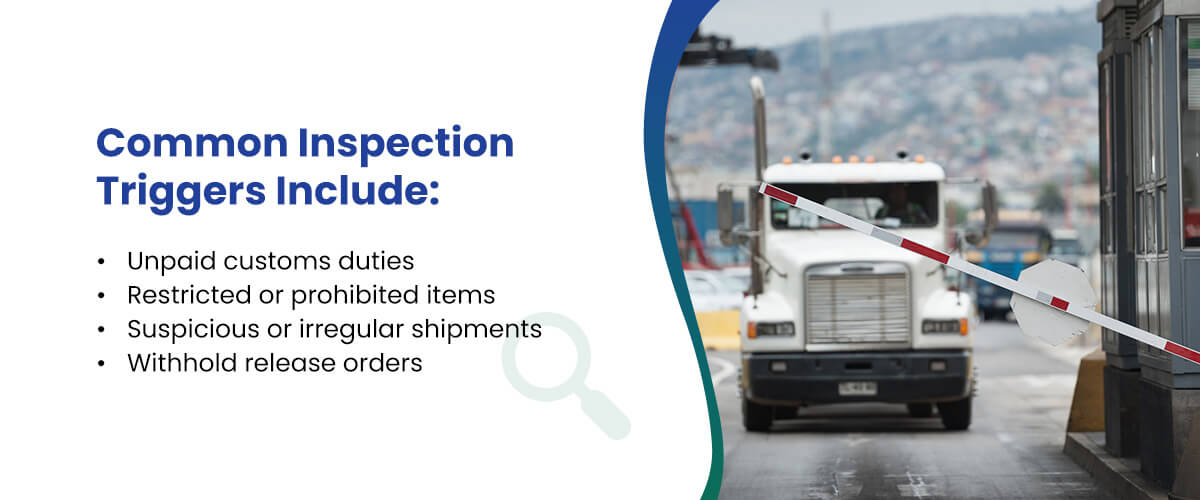
Common inspection triggers include the following:
- Unpaid customs duties: Officials believe these are owed on specific items in your shipment.
- Restricted or prohibited items: These are detected through scanning or documentation review before physical inspection.
- Suspicious or irregular shipments: Shipments that don’t match standard household goods patterns may raise questions.
- Withhold release orders: These are issued due to regulatory concerns or incomplete paperwork.
When your shipment gets flagged, the moving partner’s destination agents step in to manage the situation. These local representatives communicate directly with customs authorities on your behalf and provide any additional documentation that’s necessary.
Why International Customs Is More Complex Than a State-to-State Move
A domestic long-distance move is governed by a single set of federal regulations. Whether you’re moving from California to Texas or from Maine to Florida, the same basic rules apply. International moves operate under an entirely different framework. You’re dealing with the laws of at least two separate sovereign nations, each with its own customs regulations, import restrictions and enforcement priorities, which a moving partner will make you aware of during the process.
For example, the United States generally allows residents to import used furniture without extensive documentation about wood species or treatment history. However, Australia has strict biosecurity laws that require detailed declarations about wooden items, specific treatment certifications for timber products and rigorous inspections for soil or pest contamination. Even common items like hiking boots with soil in the treads or wooden cutting boards can trigger biosecurity concerns.
How Your Moving Partner Helps You With Your International Move
The hands-on support professional movers provide throughout your relocation showcases their expertise in international customs clearance. This support begins well before your belongings get packed and continues until everything clears customs at your destination.
Initial Consultation to Assess Your Goods and Destination
Your moving partner reviews what you plan to ship and identifies potential challenges based on the specific rules of your destination country. Modern movers leverage technology to make this initial step more accurate and convenient. Tools such as virtual home estimates and consultations enable coordinators to assess your inventory remotely. These digital assessments eliminate the guesswork that often leads to surprises on moving day and help ensure nothing gets overlooked that might cause delays at the border.
A Single Point of Contact With a Dedicated Coordinator
You’ll remove confusion when a single expert coordinator manages your entire international move. This person becomes your go-to resource for every question and concern as they understand the international customs process when moving household goods overseas or back into the U.S. and can explain complex procedures in straightforward terms.
The alternative of managing everything yourself means juggling contact with multiple agencies and organizations. You might deal with the customs broker for household goods relocation separately from the shipping company while also coordinating with officials in the destination country who may not speak your language fluently.
Proactive Communication and Shipment Tracking
Professional moving partners provide transparency and clear timelines throughout the customs process. You’ll know when your goods will be packed, when they’ll sail or fly, when they’re expected to clear customs and when delivery should occur.
Modern tracking systems let you monitor your shipment’s progress in real time. An experienced coordinator explains the significance of each checkpoint. For example, if customs authorities flag your shipment for additional documentation, your coordinator can explain that it’s a routine request and get information on how long it will take.
This combination of tracking technology and expert interpretation provides genuine peace of mind.
Get Started With BMS Moving & Storage
Managing the full scope of international customs clearance is exactly what an experienced moving partner does best. From documentation and regulations to duties and inspections, every complex element gets handled by professionals who specialize in cross-border relocations.
Since 1936, BMS Moving & Storage has helped families and individuals navigate the challenges of international moving and relocation, offering the full-service support, global network and expert handling that turn complexity into confidence.
Get your free quote by contacting the BMS team via our online contact form.
Related Blogs